

The caregiving conversation that catches every family off guard
How to find quality care and support for aging



We’re all growing older each and every day. Sooner or later, all of us will need to care for someone who is dying or be the one who needs care.
By 2030, 1 in 5 Americans will be over 65, and there won’t be nearly enough people to care for everyone. Our aging population is one of the largest, most underserved markets in the world, and it’s growing bigger every single day.
Maybe you’re already caring for an aging parent right now, or navigating how to find them care. If so, you’re not alone. Nearly half of adults with a living parent 65 or older are also raising a child or supporting a grown one, and 86% of them report feeling emotionally exhausted by it.
Perhaps you’re a solo ager, an adult aging without a partner or nearby children to rely on. This is a group that’s growing fast. About one-third of Americans ages 55 to 74, and half of those 75 and older, are aging on their own.
Whether you are a solo ager or have support nearby, the process of growing older is not easy. Have you considered how prepared you are to give care or receive it? These prompts might help provide some insight:
If one of your parents fell tomorrow and couldn’t live alone anymore, would you know what to do? Would you have space for them to live with you? Would they even agree to that?
If you want to age in place and with dignity, have you actually told anyone what that means to you? Have you assessed your finances to see if you are in a position to do so?
Most of us have never asked these questions out loud. And I get it, they can bring up feelings of anxiety and fear. However, if we don’t ask them and we don’t prepare, we’re just waiting for a ticking time bomb to go off. Because society treats aging and dying as a crisis to react to, instead of something inevitable to prepare for—and the gap between those two things is measured in ER visits, family conflict, and lots and lots of money spent.
When a crisis occurs (and it will), you’re expected to become an expert on caregiving and our medical system overnight, which is impossible.
The good news is there are people, tools, and businesses to help you navigate this uncertain terrain. Here’s what you need to know to better prepare for and navigate your future.
When becoming a caregiver catches you off guard
Every so often at Hello Mortal, we step outside the usual death contemplation to profile a person, business, or resource worth knowing about. Today, that’s Kelly Baird, cofounder and COO of bQuest. I had the pleasure of sitting down with Baird to learn more about her story of starting bQuest and the services they offer.
(TL;DR: As part of bQuest’s commitment to helping you navigate aging with confidence, I’m excited to share that they are offering Hello Mortal readers special access to their platform, which is usually reserved just for financial planners and their clients. You can find out more at the end of this article.)
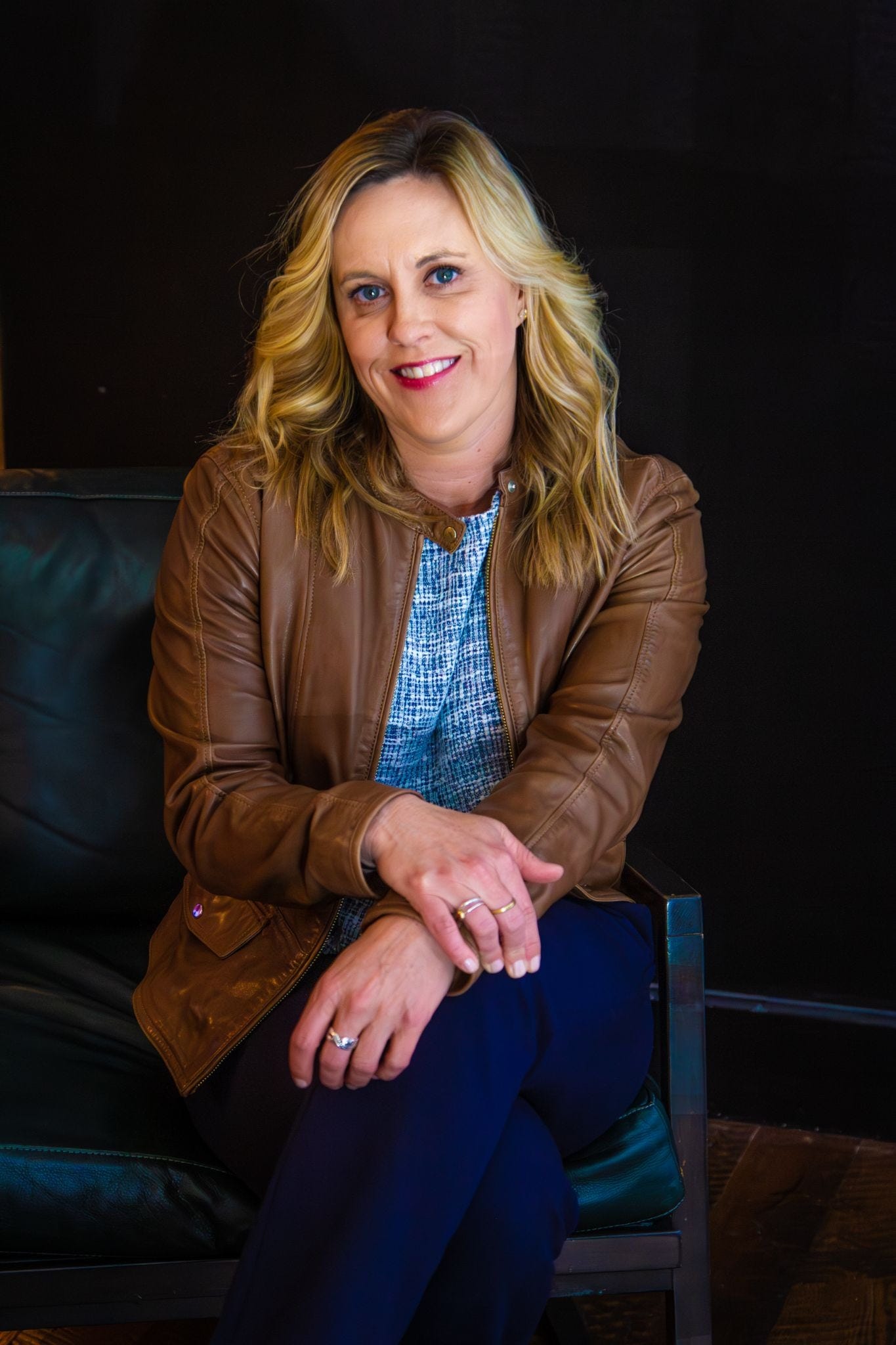
bQuest is a care coordination platform built to help you prepare for the inevitable challenges of aging—whether you’re already in crisis or you’re ready to sit down and make a plan. The platform connects you to more than 30 types of vetted specialists across the entire arc of aging: estate attorneys, home care agencies, death doulas, funeral directors, after-loss professionals, financial advisors, and more. These people exist to help us, but most people don’t know about them until it’s too late.
Baird experienced the challenges of caregiving firsthand before co-founding bQuest. Her parents moved her 98-year-old grandmother into their home, and overnight Baird’s mom became the primary caregiver. Baird saw how this loving gesture disrupted her parents’ lives. They stopped going to the grocery store together because they were too nervous to leave grandma at home. Their evenings, once theirs to enjoy, were abruptly centered around watching Wheel of Fortune and Jeopardy.
Then, suddenly, with no prior health issues and no warning, Baird’s mother got sick. Unexplained pain led to a hospital visit, where they learned she had blood cancer. Baird stepped in to help—managing appointments, coordinating specialists, and trying to keep everyone else informed while also trying to understand what was happening to her own mother.
Sadly, her mother ended up dying only three months after being diagnosed. This left Baird and her father to take over as the primary caregivers to her grandmother. She became one of the people her company, bQuest, was built to support. Going through this ultimately led her to start the business.
When I asked her if there was anything she would do differently, with what she knows now, she said:
“I think back to three ER visits that we could have avoided,” she says, “if only I had reached out to an aging life care manager earlier.”
The questions we aren’t asking
I asked Baird what she thinks is the number one question most families never ask, expecting her to say something about hiring a service provider. I was reminded she has lived this experience when she answered: “It’s less about hiring and more about answering the question, for themselves and for their loved ones: what does aging with dignity mean?”
In her work, Baird sees the same pattern over and over: someone says they want to age in their own home, close to their kids and grandkids. But those kids and grandkids live in a different state, making their ideal situation unfeasible. And they have no plans to address it.
The reverse version shows up just as often. Adult children assume their parents have a plan, or figure they will step in and assist their parents when the time comes, without ever asking them what they actually want, or telling their parents what they’re actually able to give.
Neither side is wrong or to blame. What’s missing is the conversation. “The more people just start talking about the things they do and don’t want, the more people can be prepared to support that, if that’s even an option,” Baird says.
Unfortunately, money can run out, and systems fail people who don’t have much of a safety net to begin with. But even when options are limited, having a conversation can affect what happens next.
How bQuest helps
Maybe you’re showing up mid-crisis: a parent’s fall, a car accident, a diagnosis nobody expected. Or you’re finally ready to do the planning you’ve been putting off, wondering whether to age in place or start touring senior communities. bQuest can support either situation.
Baird told me about one family her company supported mid-crisis. An older woman was badly hurt in a car accident. One of her sons, who lived nearby, had medical power of attorney and was handling the day-to-day logistics and challenges. Her other son, who lived a few states away, had financial power of attorney but none of the daily context. From a distance, he was trying to figure out whether moving their mother out of state was even possible and how to have that conversation with his brother.
They found support through bQuest’s Care Concierge Consultation, a 60-minute session with an Aging Life Care Manager. This consultation gave the family something they didn’t have: a clear breakdown of immediate, short-term, and long-term needs, plus a vetted local home care provider who could step in right away to help the mother while the bigger decisions got sorted out.
Aging in place is not always a financially feasible option. Baird and I discussed the financial implications and aspects, and she shared that bQuest built an internal cost calculator that draws from CareScout data, which tracks what providers charge for types of care in different regions.
“It really helps project certain things—senior community, or home care costs, or private duty nursing costs,” she says. You can model out different ages—what will they need at 90, at 95, at 100—and see when the money actually runs out. It’s also where people find out what their long-term care policy riders really cover, and what they don’t.”
As a follow-up, I asked her what the vetting process is behind the providers that they are recommending. Baird shared that Quest is scrupulous in their vetting process of providers, relying on peer-to-peer referrals and/or making sure the providers belong to a national association partnership
“For every specialist type, we have defined criteria, credentialing, and licensing that we’re looking for,” she says. “We do a one-on-one interview with every service provider, and we background check the main business owner.”
To better understand the vetting process, I asked her whether she’s ever had to turn down a referral.
“We’ve had to say no based on business structure alone,” she says, referencing agencies built on uninsured contractors, or ones swallowed by private equity in ways that worried her about quality. “We don’t want to be a directory,” she says. “We want a short bench, but a deep bench in terms of quality.”
Get support today
Through our special partnership with bQuest, you have access to their platform, which is designed to support you through present and future aging, caregiving, and care planning needs. While bQuest often works alongside financial advisors, you do not need to work with a financial advisor to register or receive support. But if you do work with a financial advisor, I encourage you to let them know about bQuest. It’s a valuable resource that can help bring your care planning and financial planning together.
Whether you’re planning ahead, caring for a loved one, or simply looking for trusted guidance, bQuest is here to help.
Create your complimentary account and explore bQuest whenever you’re ready.
Once registered, you will be able to schedule a free 15-30 minute discovery service provider coordination call to see how bQuest can support you.
I’m curious: have you ever been a caregiver? If so, what challenges did you run into, and what do you wish you’d known before it started? Your experience could be exactly what someone else needs right now.
And if you’re anticipating becoming a caregiver, what questions or concerns are on your mind?
— Maura
From the clinical side of this: the conversation that blindsides families almost never happens in the hospital — it happens weeks later, at home, when "he survived" quietly becomes "and now what?" We're very good at the rescue and strangely silent about everything that comes after it. Thank you for naming the part we skip.
Thank You! This is such an important topic! These are especially important conversations to have in times such as these. Within the past many years, as the 2nd layer of the sandwich generation, I’ve provided support and care giving to my aging parent, my children, and a grandchild. My suggestion: BE PREPARED! Be VERY prepared!