

Everything dies
How to enjoy something knowing it won't last


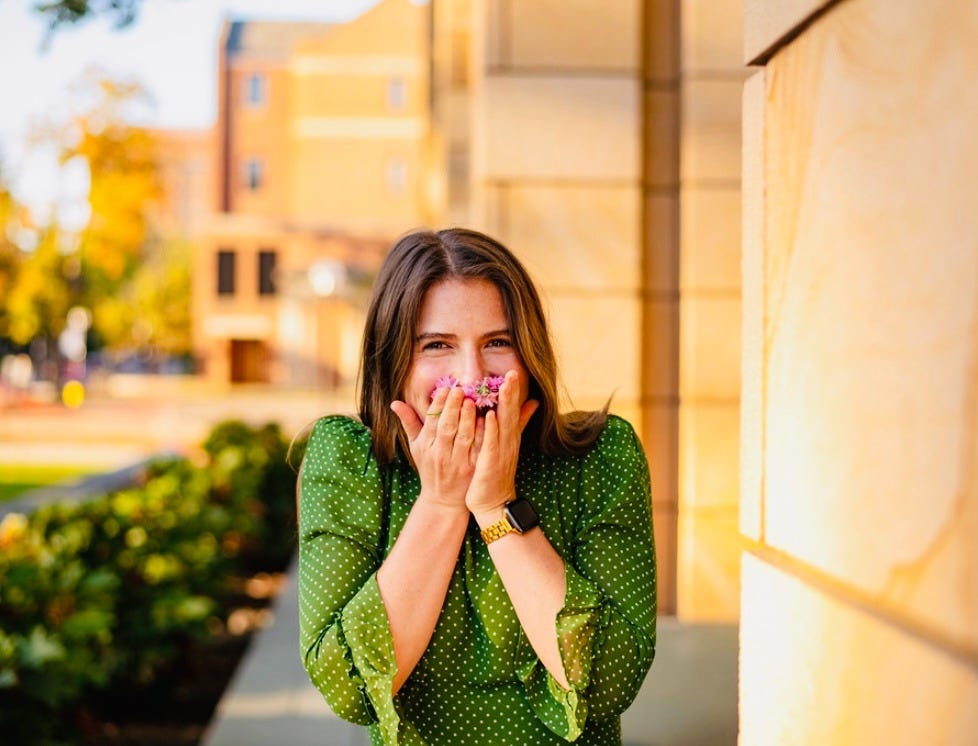
As humans, we are wired to make things that will outlive us—art, architecture, children. Anthropologist and author Ernest Becker called these our “immortality projects.” We spend an extraordinary amount of time, money, and energy trying to make beautiful things last longer than they were designed to.
So, when it comes to contemplating how to live well in the face of impermanence (Hello Mortal’s mission), how to be more present, and how to enjoy something or someone knowing it won’t last, flowers might be our oldest and most patient teachers.
Take cherry blossoms, for example. Native to Japan, these beautiful flowers bloom on trees once a year for about one week. People travel from all over the world to see them. The brevity of their existence is celebrated, not mourned.
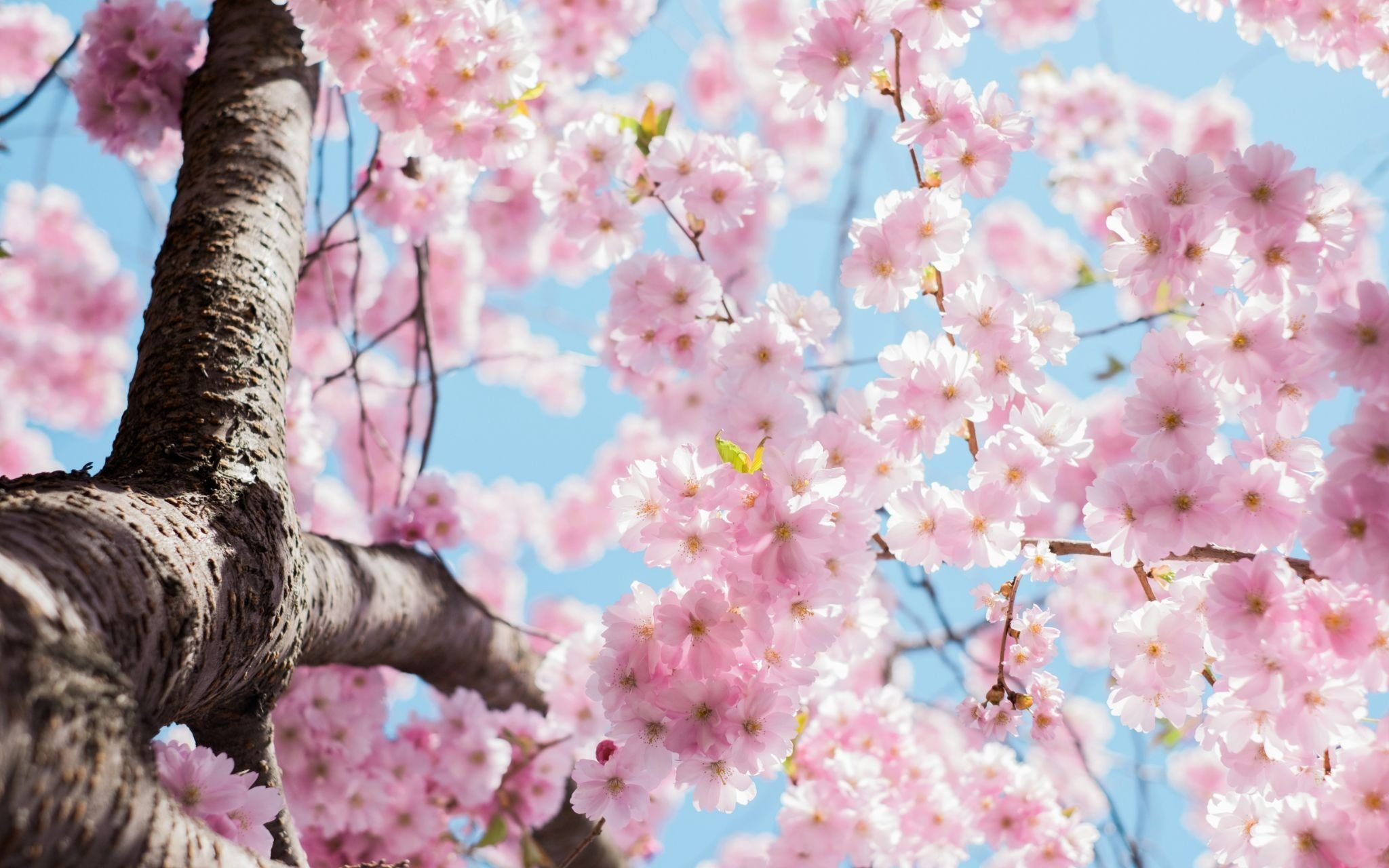
Cherry blossoms are a type of perennial. Unlike annuals, which complete their life cycle in a single growing season and must be replanted each spring, perennials come back every year. They die in the cold months and return from the same root system each spring. And some perennials—like peonies—are even known to outlive the people who plant them, sometimes blooming in the same spot for 50 to 100 years. Even though perennials return each year, their bloom time is fleeting, only to be enjoyed for a certain amount of time each spring or summer before we have to say goodbye until the next year.
Then there are the flowers we cut, the ones we sever from their roots, remove from the outside, and keep in artificial containers for our own use. At some point, most of us have stood in front of a flower display—at the grocery store, a farmers market, a florist—and talked ourselves out of buying a bouquet: “They’re too expensive. They’ll be dead in a week...They feel wasteful.” These statements are all true. The blooms are beautiful for about a week, then they die and are discarded. And that’s ok. If all you want is a week with something beautiful on your table, a bouquet of flowers is perfect. Not everything needs to be made to last. Some things just need to be enjoyed while they can be.
What I found in the dirt
Flowers have been on my mind lately, because my husband and I potted some on our porch last weekend. Nothing elaborate, just boxes on concrete. Here’s a before and after (we have a lot to improve upon to reach my porch goals, but for now, I’m just enjoying the flowers ).
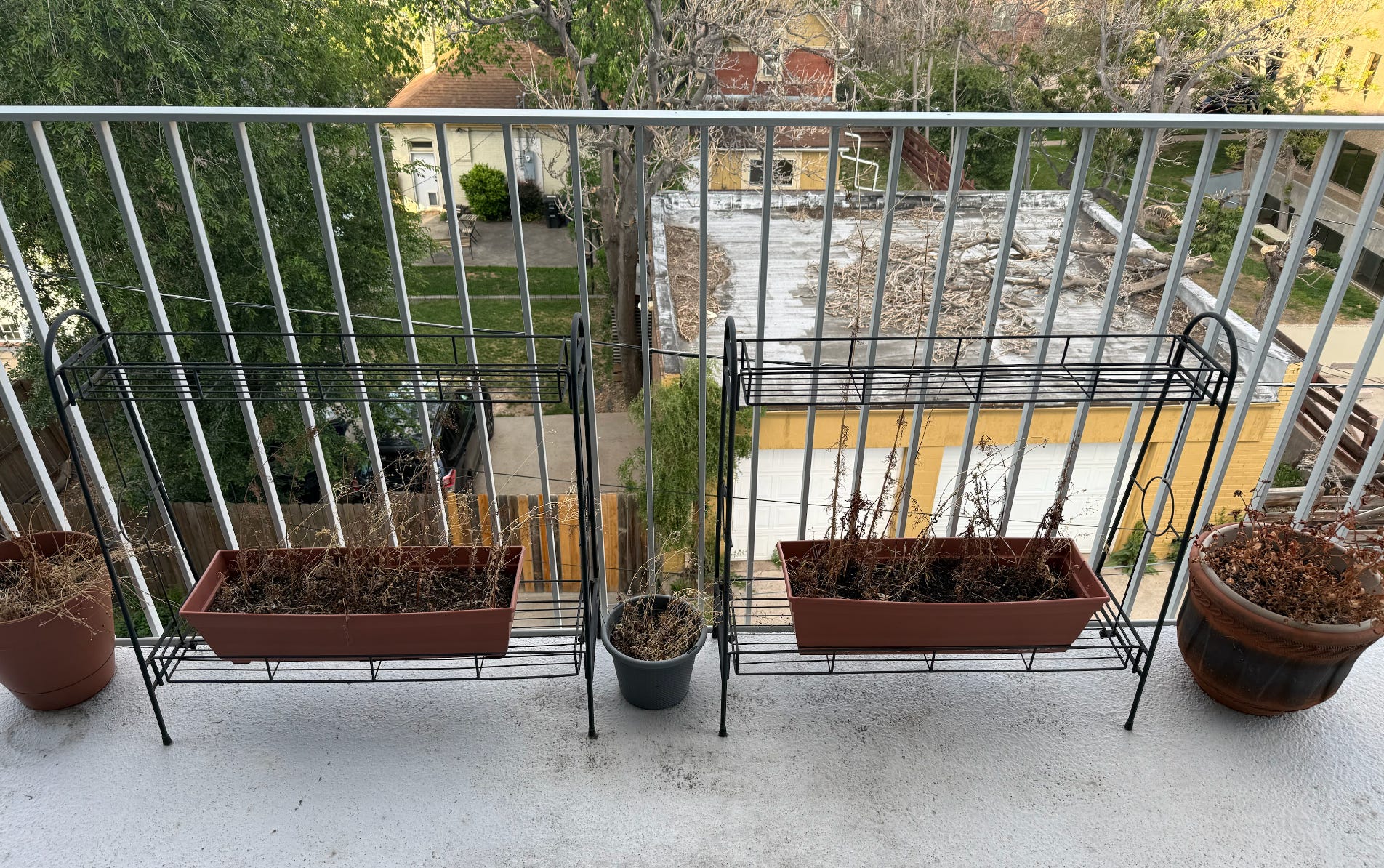
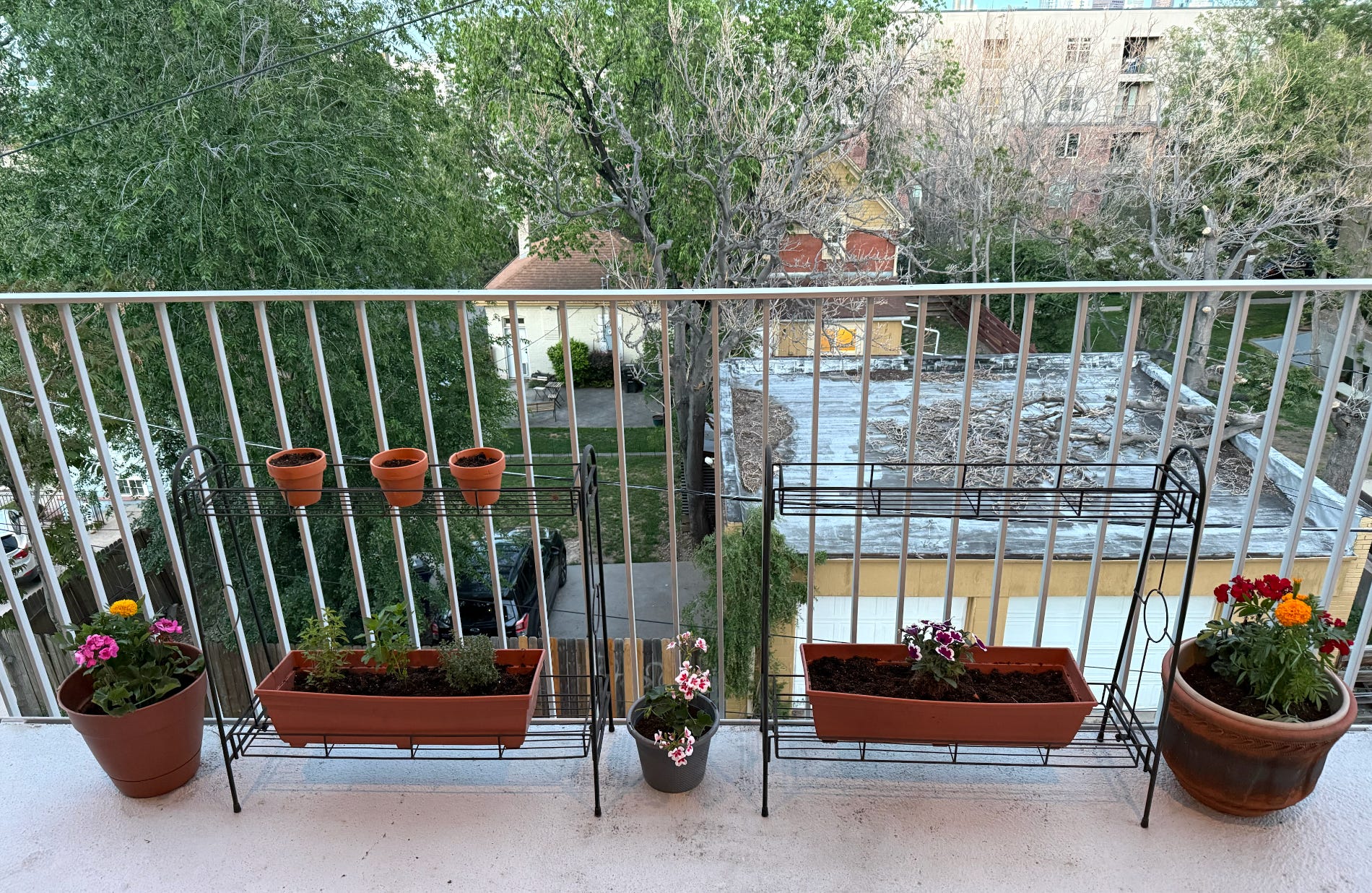
While we were discarding last year’s dead flowers and replacing them with new ones, I got emotional. My mom was a gardener. Sometimes I wonder if she planted anything that’s still blooming somewhere. I used to watch her plant flowers in our backyard as a child, not really paying attention, the way you don’t when you assume someone will always be around to teach you. She died when I was twenty, and I never really learned how to garden or develop a green thumb.
But I’m learning now. Slowly and together with my husband, both of us consulting AI because we have no idea what we are doing. It’s fun to get our hands in the dirt and figure it out.
And in the flowers, I find my mom. She’s gone, but not gone, at the same time. Like a perennial flower that goes underground in winter, I can’t see her, but her roots are still there, and in the right season, something about her resurfaces. Her essence, her love, her memories, and her beauty have just changed form.
Stop and smell the roses
Flowers remind me that nothing lasts, and everything transforms. When the bloom ends, when the person you love is no longer here, something remains. A feeling, an imprint, energy.
And it’s not just flowers. Certain fruits don’t last even two days after being picked. Take mulberries, for example. This fruit is so highly perishable that you won’t typically find it at a grocery store. And by the time they are ripe enough to eat, they’re also ready to fall apart. The best way to enjoy them is to stand under the tree they grow on and eat what you pick, right then, with whoever happens to be standing next to you. It’s one of Mother Nature’s most deliberate designs: forcing presence and making now the only option.
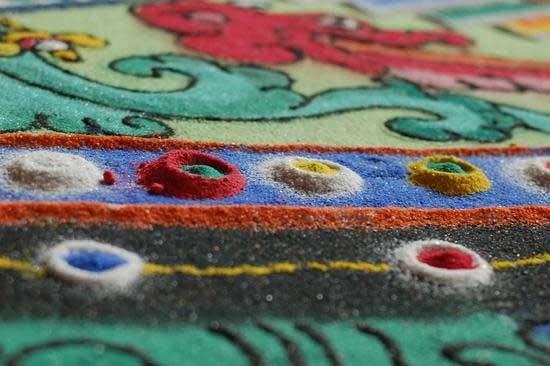
Take the Tibetan Buddhist monks who spend weeks painstakingly creating intricate sand mandalas, composed of millions of grains of colored sand arranged by hand into breathtaking, precise designs. The monks’ focus is entirely on the act of creation. And, after creating something beautiful, they intentionally sweep up the sand and release it into a body of water to disseminate blessings into the world and practice non-attachment.
Artist Andy Goldsworthy built an entire practice around this same idea. He creates sculptures made from leaves, ice, and stone, shaped by hand and then left to melt, decay, or be swept away by nature. He doesn’t fight the impermanence. He collaborates with it.
Across nature, traditions, and centuries, the same lesson keeps returning: the most beautiful things are not meant to be preserved. They are meant to be witnessed and enjoyed in the present moment.
And so are the people in our lives. In this particular season, maybe they are just starting to bloom, or maybe they are thriving, or perhaps their season is coming to an end. No matter the situation, it won’t look exactly like it does right now, ever again.
The old saying “stop and smell the roses” is not just a reminder to slow down—it’s a reminder that presence matters more than preservation. Because when you’re present, the memory of beautiful things endures, even after they’re gone.
What in your life right now deserves more of your presence than preservation?
— Maura
And if you needed an excuse to buy some flowers, take this as your sign!
When we have to replant each year we not only keep our skills honed but learn from our previous mistakes and thus we grow right along with the new plant.
Thank you Maura for this very timely article. I have been sad and overwhelmed by the reality of my friends aging. A few of them, just like me are beginning to show signs of cognitive decline; memory loss,difficulty driving,newly confused with old information. Presence not preservation. How can I offer us all presence? Thank you..this has been my first coffee death contemplation and it was very helpful.